Why Kiln-Dried Timber Prevents Swelling and Warping in Kenyan Weather
If you have ever questioned why professionals and industry experts demand kiln-dried wood, the reason applies across the board, from premium hardwoods like Mahogany and Mvule to standard softwoods like Cypress. As the leading and trusted seasoned timber suppliers in Kenya, we see firsthand how the right processing saves your investment.
There is a critical reason why Kenya's top contractors and architects demand kiln-dried wood over raw lumber. Whether you are looking for the best kiln-dried timber price in Nairobi or sourcing top grade premium quality timber for high-end joinery, the rule remains the same. Working with reliable seasoned timber suppliers in Kenya is the ultimate secret to a warp-free finish.
The High Cost of Using Unseasoned Wood in Kenya

Wood is a living, breathing material. Even after a tree is felled, it acts like a sponge, absorbing and releasing moisture based on the air around it.
In Kenya, our weather is notoriously unpredictable. We bounce from the blistering heat of the dry seasons to intense humidity during the long rains. For unseasoned or "green" lumber, this climate is a recipe for disaster:
- The Expansion Cycle: During heavy rains, raw timber absorbs moisture from the humid air and swells.
- The Contraction Cycle: When the hot sun returns, that same wood dries out rapidly, shrinking and pulling against its fasteners.
This constant tug-of-war causes devastating structural damage. You have likely seen the results firsthand: luxury mahogany doors that suddenly jam and refuse to close, premium Mvule flooring that buckles and leaves gaping holes, or Cypress roof trusses that twist, causing ceilings to sag. For a homeowner or contractor, using unseasoned timber means throwing away hundreds of thousands of shillings on future repairs, replacements, and wasted labor.
The Science of Kiln-Drying vs. Air-Drying
Many people assume that letting wood sit in an open yard for a few months, commonly known as air-drying, is enough. As veteran kiln dried timber suppliers in Kenya, we can tell you plainly: air-drying cannot protect your wood from the Kenyan weather.
Air-drying relies entirely on local weather conditions. If the air in Nairobi is humid, the wood stays damp. At best, air-drying only reduces wood moisture to about 15% to 20%, leaving it highly unstable.
How Kiln-Drying Solves the Problem
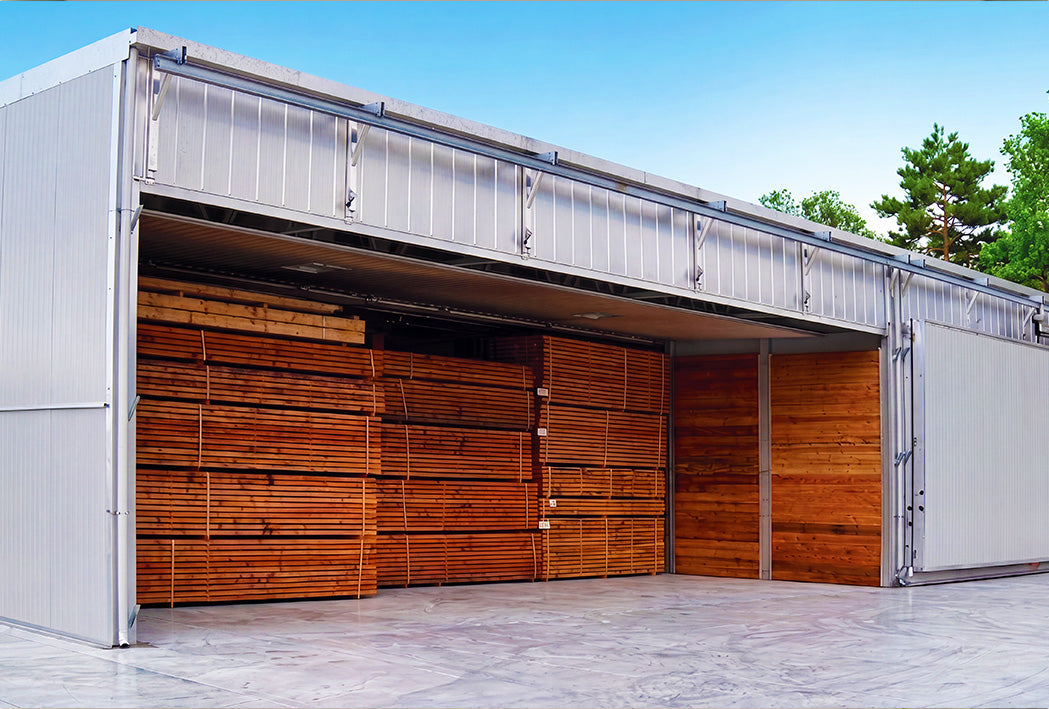
Kiln-drying is a highly scientific, computer-controlled process that strips away the moisture that air-drying leaves behind.
- The Moisture Target: Inside industrial kilns, we use precisely regulated heat, steam, and airflow to bring the timber's moisture content down to a perfectly stable 3% to 10%. This exact range perfectly matches Kenya’s average relative humidity.
- Internal Stress Relief: Because the drying process is uniform and controlled, it relieves the internal tension of the wood fibers. This means the wood permanently loses its memory of twisting or bending.
- Pest Eradication: The high temperatures inside a kiln completely destroy wood-boring insects, larvae, and fungal spores. This guarantees your timber is sterile, healthy, and built to last for generations.
When you buy kiln-dried wood or timber product, you are buying a product that has already done all its shrinking and moving inside a controlled oven, not inside your finished living room or roof.
Hardwoods vs. Softwoods in Kenyan Projects
 Different projects require different types of wood, but they all share the same vulnerability to moisture. Let us break down how this impacts the specific timbers you are likely sourcing for your build.
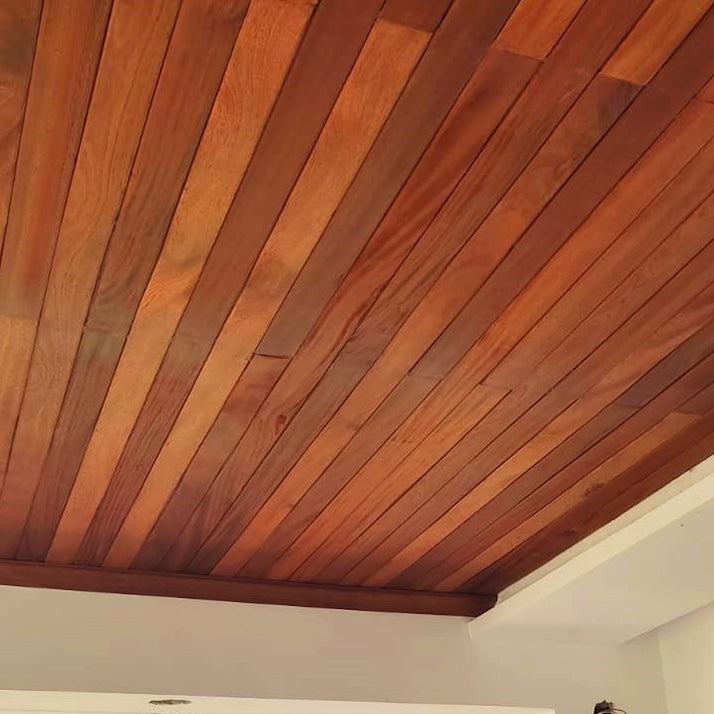
When it comes to premium hardwoods, stability is everything. For instance, if you are looking to invest in the rich elegance of Mahogany for grand entrance doors or bespoke furniture, you must ensure it has been properly treated. Without strict quality control, the kiln-dried mahogany timber woodworkers in Kenya rely on for luxury finishes can easily distort, ruining the alignment of your custom joinery.
The same rule applies to Mvule wood, which is highly sought after for its strength and beautiful grain in high-traffic flooring and outdoor frames. If you use unseasoned Mvule timber, the wood will eventually crack and split as it struggles to adapt to Nairobi's dry spells.
Even everyday softwoods like Cypress are not exempt. While Cypress is the go-to choice for structural roof trusses, using green or poorly seasoned Cypress means your roof structure will slowly twist over time. This leads to uneven rooflines and cracked gypsum ceilings inside your home.
The Mastercraft Quality Standard
At Mastercraft Timber and Hardware, we believe you should only pay for timber that lasts. We understand that budget is a major factor in any construction project, which is why we offer transparency when clients compare the kiln-dried Mvule timber price in Nairobi yards. While unseasoned green wood might seem cheaper upfront, the cost of ripping out warped doors and sagging roofs a year down the line is incredibly expensive.
As a leading and established kiln dried seasoned timber suppliers in Kenya, we do not leave moisture levels to guesswork. Every single batch of timber that leaves our yard is tested using precision moisture meters to guarantee it falls within the safe eight to twelve percent range. When you buy from us, you are investing in structural peace of mind.
Get a Quote for Your Project Today
Do not let unpredictable weather ruin your investment. Whether you need structural Cypress trusses or premium hardwoods for high-end finishes, Mastercraft Timber and Hardware has you covered.
Contact our team today via WhatsApp or call us on 0111 121 000 to discuss your project requirements. You can also send over your Bill of Quantities (BQ) for a fast, accurate, and competitive quotation. Let us help you build to last. Visit our store at Kamakis, Ruiru Eastern Bypass, Opposite Mugen Plaza few meters from Green Spot Gardens.